Stress Neck Pain: Why Stress Causes Tight Neck Muscles And Headaches
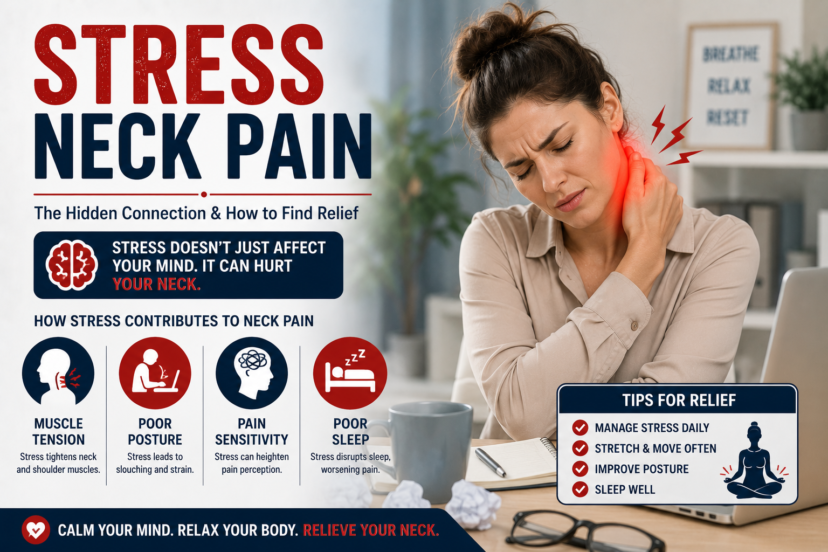
Life can be stressful, and your neck often feels the effects before you even realize you’re under pressure. If you’ve ever noticed stiff shoulders, a tight neck, or a headache after a busy workday or emotional event, you’re far from alone. Stress neck pain is one of the most common physical symptoms of chronic stress, affecting millions of adults every year.
The encouraging news is that stress-related neck pain is often manageable with healthy daily habits, better posture, regular movement, and effective stress-reduction techniques. By understanding the connection between your mind and muscles, you can reduce discomfort, improve mobility, and enjoy a healthier, more active lifestyle.
This guide explains why stress neck pain develops, why it often leads to headaches, and practical, science-backed strategies that support long-term neck comfort and overall well-being.
⭐ Quick Answer: Stress Neck Pain
Stress neck pain happens because emotional stress causes muscles in the neck, shoulders, and upper back to tighten. Over time, this constant muscle tension may lead to stiffness, soreness, headaches, and reduced range of motion. Stress management, posture improvements, regular exercise, quality sleep, and stretching often help reduce symptoms naturally.
Key Takeaways
Most likely cause: Emotional or mental stress can cause the muscles around the neck, shoulders, and upper back to remain tense for extended periods. Poor posture, prolonged sitting, and inadequate sleep may make the discomfort worse.
Usually serious? Usually not. Stress-related muscle tension often improves with movement, relaxation, and lifestyle changes. However, severe or persistent neck pain, pain following an injury, or symptoms accompanied by weakness, numbness, fever, or other concerning changes should be medically evaluated.
First thing to check: If you’re experiencing stress neck pain, notice whether symptoms become worse during stressful periods, long work sessions, poor sleep, or extended time using a computer or phone.
Best solution: Combine stress-management techniques with regular comfortable movement, good workstation ergonomics, adequate sleep, and appropriate neck and shoulder exercises. If symptoms continue, a healthcare professional or physical therapist can help identify other possible causes and recommend suitable treatment.
😣 Why Stress Neck Pain Happens
When you’re stressed, your body activates its natural “fight-or-flight” response. Stress hormones like cortisol and adrenaline prepare your muscles for action by increasing muscle tension.
While this response is helpful during emergencies, modern stress often lasts for hours or even days. As a result, neck and shoulder muscles may stay partially contracted for long periods.
Over time, stress neck pain can develop as muscles become fatigued, circulation decreases, and tight tissues place extra pressure on nearby joints and nerves.
🦴 How Stress Affects Your Neck Muscles
The neck contains many muscles that help support the weight of your head and allow smooth movement.
Under stress, these muscles often tighten automatically, especially the:
- Upper trapezius
- Levator scapulae
- Sternocleidomastoid
- Suboccipital muscles
This increased muscle tension may lead to:
- Neck stiffness
- Muscle soreness
- Limited range of motion
- Tender shoulders
- Upper back discomfort
The longer muscles stay tight, the more noticeable the discomfort becomes.
🤕 Why Stress Often Causes Headaches
Many people with stress neck pain also develop tension headaches.
Tight neck and shoulder muscles can refer pain toward the:
- Back of the head
- Temples
- Forehead
- Base of the skull
Unlike migraines, tension headaches usually produce a dull, steady ache rather than throbbing pain.
Reducing muscle tension often helps decrease headache frequency.
💻 Poor Posture Makes Stress Neck Pain Worse
Stress and poor posture frequently occur together.
During stressful workdays, many people unconsciously:
- Lean toward computer screens
- Round their shoulders
- Clench their jaw
- Raise their shoulders
- Hold their breath
These habits increase muscle tension and make stress neck pain more persistent.
Improving posture reduces unnecessary strain on the cervical spine.
🚶 Regular Movement Relieves Muscle Tension
One of the simplest ways to reduce stress-related neck pain is to move more throughout the day.
Helpful activities include:
- Walking
- Gentle cycling
- Swimming
- Yoga
- Tai chi
- Light resistance training
Movement improves circulation, relaxes muscles, and helps reduce stress hormones naturally.
Aim to stand up and move every 30 to 60 minutes if you work at a desk.
🤸 Best Stretches For Stress Neck Pain
Gentle stretching helps improve flexibility and decrease muscle tightness.
Chin Tucks
Pull your chin straight backward while keeping your eyes level.
Hold for five seconds.
Repeat 10 times.
Upper Trapezius Stretch
Tilt your head toward one shoulder until you feel a gentle stretch.
Hold for 20 to 30 seconds.
Repeat on both sides.
Shoulder Rolls
Slowly roll your shoulders backward 10 to 15 times.
This helps relax muscles that often tighten during stressful days.
Chest Stretch
Stretching the chest muscles helps improve posture and counteracts rounded shoulders.
Stretch only until you feel mild tension, never pain.
🧘 Relaxation Techniques That May Reduce Stress Neck Pain
Managing stress directly often improves physical symptoms.
Try adding these habits to your daily routine:
- Deep breathing exercises
- Meditation
- Progressive muscle relaxation
- Mindfulness practice
- Gentle yoga
- Spending time outdoors
- Listening to calming music
Even 10 to 15 minutes each day may help reduce muscle tension over time.
😴 Better Sleep Helps Your Neck Recover
Quality sleep allows muscles to relax and recover.
To improve neck comfort overnight:
- Sleep on your back or side.
- Avoid stomach sleeping.
- Use one supportive pillow.
- Keep your neck aligned with your spine.
- Maintain a consistent sleep schedule.
Memory foam or cervical-support pillows may help some people maintain better neck alignment while sleeping.
🌿 Natural Home Remedies For Stress Neck Pain
Several conservative treatments may provide relief.
Heat Therapy
Warm showers or heating pads may relax tight muscles and improve circulation.
Gentle Massage
Massage may reduce muscle tension and temporarily improve comfort.
Warm Baths
A warm bath before bedtime may promote muscle relaxation and better sleep.
Hydration
Staying hydrated supports healthy muscles and connective tissues.
🏋️ Strengthening Exercises Improve Long-Term Neck Health
Strong muscles help support the cervical spine during daily activities.
Helpful exercises include:
- Resistance band rows
- Wall angels
- Face pulls
- Scapular squeezes
- Core strengthening exercises
Strengthening the upper back often improves posture and reduces recurring neck tension.
🏥 Can Physical Therapy Help?
If stress neck pain continues despite self-care, physical therapy may be beneficial.
A physical therapist can evaluate:
- Muscle tightness
- Posture
- Movement patterns
- Ergonomic setup
- Flexibility
- Strength deficits
Treatment often includes:
- Stretching exercises
- Manual therapy
- Strengthening programs
- Posture education
- Home exercise routines
Research consistently supports exercise and posture education as effective long-term treatments for mechanical neck pain.
🥗 Healthy Lifestyle Habits Support Muscle Recovery
Healthy habits reduce overall stress while supporting muscles and joints.
Focus on:
- Regular physical activity
- Balanced nutrition
- Lean protein intake
- Plenty of fruits and vegetables
- Healthy body weight
- Adequate hydration
- Limiting tobacco use
Some adults also discuss magnesium, omega-3 fatty acids, or vitamin D supplementation with their healthcare provider when appropriate, although supplements should not replace healthy lifestyle habits.
👨⚕️ When To See A Doctor For Stress Neck Pain
Most cases improve with conservative care.
However, seek medical evaluation if you experience:
- Pain lasting longer than several weeks
- Severe or worsening symptoms
- Numbness or tingling
- Arm weakness
- Fever
- Pain following an injury
- Persistent headaches with neurological symptoms
- Difficulty walking
- Loss of bladder or bowel control
These symptoms may indicate conditions beyond muscle tension.
❓ FAQs: Stress Neck Pain
Can stress really cause neck pain?
Yes. Emotional stress commonly causes muscles in the neck and shoulders to tighten, leading to stiffness, soreness, and reduced mobility.
Why does stress cause headaches?
Stress increases muscle tension around the neck and scalp, which can trigger tension headaches.
How long does stress neck pain last?
Mild symptoms may improve within a few days, while chronic stress may cause recurring discomfort until the underlying muscle tension and stress are addressed.
Is exercise good for stress neck pain?
Yes. Exercise, such as walking, stretching, yoga, swimming, and strength training, may reduce muscle tension while improving posture and flexibility.
Can poor posture make stress neck pain worse?
Absolutely. Slouching and forward head posture increase strain on already tight neck muscles.
Should I use heat or ice?
Heat is generally more helpful for stress-related muscle tightness because it promotes relaxation and increases blood flow.
When should I seek medical care?
See a healthcare professional if symptoms are severe, persistent, worsening, or accompanied by numbness, weakness, fever, or other concerning neurological symptoms.
📌 Final Thoughts On Stress Neck Pain
Stress is an unavoidable part of life, but chronic muscle tension doesn’t have to be. Stress neck pain often develops gradually through a combination of emotional stress, poor posture, prolonged sitting, and reduced movement. Fortunately, these are all areas where small, consistent changes can make a meaningful difference.
By practicing stress management, improving your workstation, stretching regularly, strengthening your upper back, and prioritizing quality sleep, you can help reduce muscle tension and improve long-term neck health. Recovery doesn’t happen overnight, but steady daily habits can help you move more comfortably, reduce headaches, and enjoy a healthier, more active life with greater confidence.
Medical Disclaimer
This article is for educational purposes only and is not intended to diagnose, treat, cure, or prevent any medical condition. Always consult a qualified healthcare professional if you have persistent, severe, or worsening neck pain, numbness, weakness, fever, headaches with neurological symptoms, or pain following an injury. Never ignore professional medical advice or delay seeking care because of information you have read in this article.
 Explore more: