Heat Vs Ice For Neck Pain: Which Works Better? The Best Choice For Faster Relief
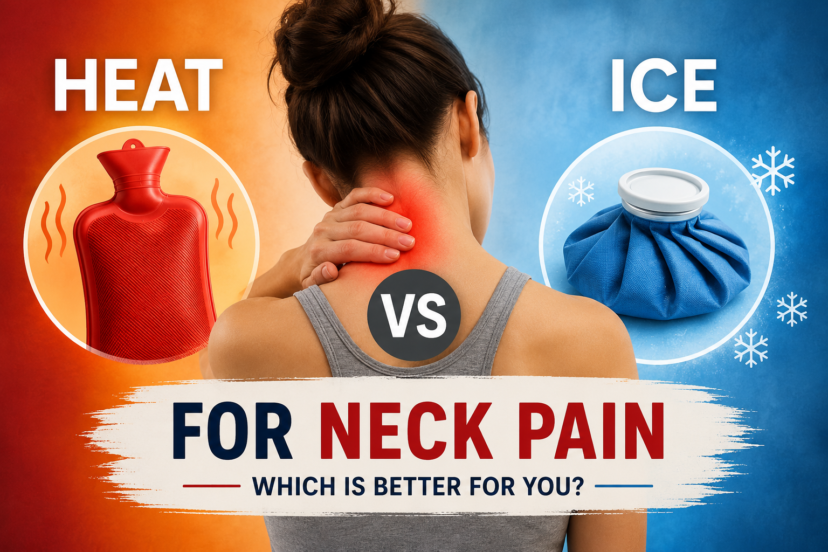
Which works better: heat vs ice for neck pain? Neck pain can make even simple daily tasks feel challenging. Looking over your shoulder while driving, working at a computer, sleeping comfortably, or exercising may suddenly become difficult. For many adults, neck stiffness and soreness become more common with age, long hours at a desk, stress, or poor posture.
One of the biggest questions people ask is whether they should use heat or ice for relief. While both therapies can be helpful, using the wrong one at the wrong time may reduce their effectiveness.
The good news is that understanding heat vs ice for neck pain doesn’t have to be complicated. By learning when each therapy works best and combining it with healthy daily habits, you can often reduce discomfort, improve mobility, and support long-term neck health.
⭐ Quick Answer: Heat Vs Ice For Neck Pain
If your neck pain is caused by a recent injury, sudden strain, or inflammation, ice is usually the better choice during the first 24–48 hours.
If your pain comes from muscle tightness, stiffness, poor posture, or chronic tension, heat is typically more effective because it relaxes muscles and improves circulation.
Many people benefit from using both heat and ice at different stages of recovery.
Key Takeaways
Most likely cause: Acute neck injuries or inflammation often respond best to ice, while muscle tightness, stiffness, poor posture, and chronic tension usually respond better to heat.
Usually serious? No. Most everyday neck pain can be managed with appropriate heat or ice therapy, healthy movement, and good posture. However, severe pain, numbness, weakness, or symptoms following a major injury should be evaluated by a healthcare professional.
First thing to check: Determine whether your pain began after a recent injury or strain (ice may be more appropriate) or whether it developed gradually from muscle tightness or poor posture (heat may be more beneficial).
Best solution: Use ice during the first 24–48 hours after an acute injury to help reduce inflammation, use heat for ongoing muscle stiffness and tension, and combine either therapy with gentle stretching, regular movement, and good posture for long-term neck health.
🔥 Why Heat Vs Ice For Neck Pain Matters
Understanding heat vs ice for neck pain is important because neck discomfort isn’t always caused by the same problem.
Different causes include:
- Poor posture while working
- Looking down at phones for long periods
- Sleeping in an awkward position
- Stress-related muscle tension
- Exercise-related muscle soreness
- Minor muscle strains
- Arthritis and age-related stiffness
- Long hours behind the wheel
Each cause affects the muscles, joints, and surrounding tissues differently, meaning the best treatment can vary.
Using the right therapy at the right time may help:
- Reduce pain
- Improve flexibility
- Decrease muscle guarding
- Restore comfortable movement
- Support faster recovery
❄️ When Ice Works Best For Neck Pain
Ice therapy helps reduce inflammation and slows blood flow to irritated tissues.
It works especially well during the first phase after an injury.
Use ice when you have:
- Sudden neck strain
- Minor sports injuries
- Recent lifting injury
- Swelling
- Sharp pain after overexertion
- Neck pain after an accident (after medical evaluation if needed)
Ice may help by:
- Reducing inflammation
- Limiting swelling
- Numbing painful tissues
- Slowing pain signals
How To Use Ice Safely
- Wrap an ice pack in a thin towel.
- Apply for 15–20 minutes.
- Repeat every 2–3 hours during the first day or two.
- Never place ice directly on bare skin.
🔥 When Heat Is Better For Neck Pain
Heat is generally the better option once inflammation has settled.
Using heat increases circulation, allowing muscles to relax while improving tissue flexibility.
Heat works especially well for:
- Morning neck stiffness
- Tight muscles
- Chronic neck pain
- Desk-related discomfort
- Stress-induced muscle tension
- Arthritis-related stiffness
Many adults notice their neck loosens up significantly after applying moist heat before gentle stretching.
Good Heat Options
- Heating pad
- Warm shower
- Warm bath
- Microwave heat wrap
- Moist heating pad
- Warm towel
Use heat for approximately 15–20 minutes at a comfortable temperature.
Avoid falling asleep on an electric heating pad.
💪 Heat Vs Ice For Neck Pain From Poor Posture
Poor posture is one of today’s leading causes of neck discomfort.
Hours spent at computers, tablets, and smartphones place continuous stress on the neck muscles.
In this situation:
- Heat usually works better because tight muscles—not swelling—are often the problem.
- Gentle stretching after heat may improve flexibility.
- Correcting workstation ergonomics prevents the pain from returning.
Helpful posture habits include:
- Keeping your monitor at eye level
- Sitting with shoulders relaxed
- Supporting your lower back
- Taking movement breaks every 30–60 minutes
- Avoiding looking down at your phone for long periods
🧘 Can You Alternate Heat And Ice?
Yes.
Many physical therapists recommend alternating therapies depending on symptoms.
A common approach is:
- Use ice after activities that increase soreness.
- Use heat before stretching or mobility exercises.
- Finish with gentle range-of-motion exercises.
Some people also benefit from contrast therapy, although research suggests using the correct therapy for your specific symptoms is often more important than alternating them routinely.
🌿 Other Natural Ways To Support Neck Pain Relief
Using heat vs ice for neck pain works best when combined with healthy daily habits.
Gentle Stretching
Simple neck stretches may reduce muscle tension and improve flexibility.
Examples include:
- Chin tucks
- Neck rotations
- Side bends
- Shoulder rolls
Move slowly and never stretch into severe pain.
Improve Sleep Position
Sleep affects neck recovery more than many people realize.
Helpful habits include:
- Sleeping on your back or side
- Using a supportive pillow
- Keeping your neck aligned with your spine
- Replacing worn-out pillows
Stay Active
Complete bed rest is rarely recommended for routine neck pain.
Walking, light movement, and gentle exercises often support healing better than prolonged inactivity.
Manage Stress
Stress commonly causes muscle tightening around the shoulders and neck.
Helpful stress-management techniques include:
- Deep breathing
- Meditation
- Yoga
- Walking outdoors
- Progressive muscle relaxation
🖥️ Ergonomic Changes That Help Prevent Neck Pain
The best treatment is preventing repeated strain.
Try these practical workplace improvements:
- ✅ Raise your monitor to eye level.
- ✅ Keep elbows near 90 degrees.
- ✅ Position your keyboard close to your body.
- ✅ Sit with feet flat on the floor.
- ✅ Use a supportive office chair.
- ✅ Stand and stretch every hour.
- ✅ Switch positions throughout the day.
Small adjustments repeated consistently often produce better long-term results than relying on heat or ice alone.
🏃 Physical Therapy And Exercise For Long-Term Relief
If neck pain lasts several weeks, physical therapy may be helpful.
A physical therapist can identify movement problems, muscle imbalances, and posture issues contributing to ongoing discomfort.
Treatment may include:
- Strengthening deep neck muscles
- Shoulder blade stabilization
- Flexibility exercises
- Manual therapy
- Posture retraining
- Home exercise programs
Consistent exercise remains one of the strongest evidence-based strategies for improving chronic neck pain.
⚠️ Common Mistakes When Using Heat Or Ice
Avoid these common errors:
- Applying ice directly to skin
- Using heat immediately after a fresh injury with swelling
- Leaving heat or ice on for longer than 20 minutes
- Using temperatures that are too extreme
- Ignoring worsening symptoms
- Expecting instant recovery without addressing posture and movement habits
Remember that heat vs ice for neck pain is only one part of a complete recovery plan.
🚨 When To See A Doctor
Most mild neck pain improves with self-care within a few days or weeks.
Seek medical attention promptly if you experience:
- Severe pain after an accident
- Pain with numbness or weakness in an arm or hand
- Difficulty walking or maintaining balance
- Fever with neck stiffness
- Loss of bladder or bowel control
- Persistent pain lasting several weeks despite home treatment
- Unexplained weight loss or severe nighttime pain
A healthcare professional can determine whether additional evaluation, imaging, medication, or specialized treatment is appropriate.
❓ FAQs: Heat Vs Ice For Neck Pain
Is heat or ice better for neck pain?
Ice is generally better for recent injuries and inflammation. Heat usually works better for muscle tightness, stiffness, poor posture, and chronic neck discomfort.
Should I use heat or ice after sleeping wrong?
Heat is often more helpful because sleeping in an awkward position usually causes muscle tightness rather than inflammation.
Can I alternate heat and ice for neck pain?
Yes. Many people use ice after activities that increase soreness and heat before stretching or exercise.
How long should I leave a heating pad on my neck?
Most experts recommend 15–20 minutes at a comfortable temperature. Avoid sleeping with a heating pad.
How long should I ice my neck?
Apply ice for 15–20 minutes at a time with a towel between the ice pack and your skin.
Does heat relax tight neck muscles?
Yes. Heat increases blood flow and helps muscles relax, making movement easier for many people.
What is the fastest way to relieve neck pain?
The fastest neck pain relief often comes from combining the right therapy (heat or ice), gentle movement, posture correction, stretching, stress reduction, and avoiding activities that worsen symptoms.
📌 Conclusion
Choosing between heat vs ice for neck pain depends on what’s causing your discomfort. Ice works best for fresh injuries and inflammation, while heat is usually more effective for muscle tightness, stiffness, and chronic neck tension.
Neither treatment is a cure by itself. The greatest improvements often come from combining heat or ice with better posture, regular movement, strengthening exercises, supportive sleep habits, and healthy daily routines.
Small, consistent changes can make a meaningful difference over time. By listening to your body and using the right strategies at the right moment, you can reduce neck discomfort, move with greater confidence, and continue enjoying an active, healthy lifestyle.
Medical Disclaimer: This article is intended for educational purposes only and should not be considered medical advice. Always consult a qualified healthcare professional for diagnosis or treatment of persistent, severe, or worsening neck pain, or before beginning any new exercise or treatment program.
 Explore more: