
Dehydration Neck Pain: The Surprising Link Between Dehydration And Neck Pain
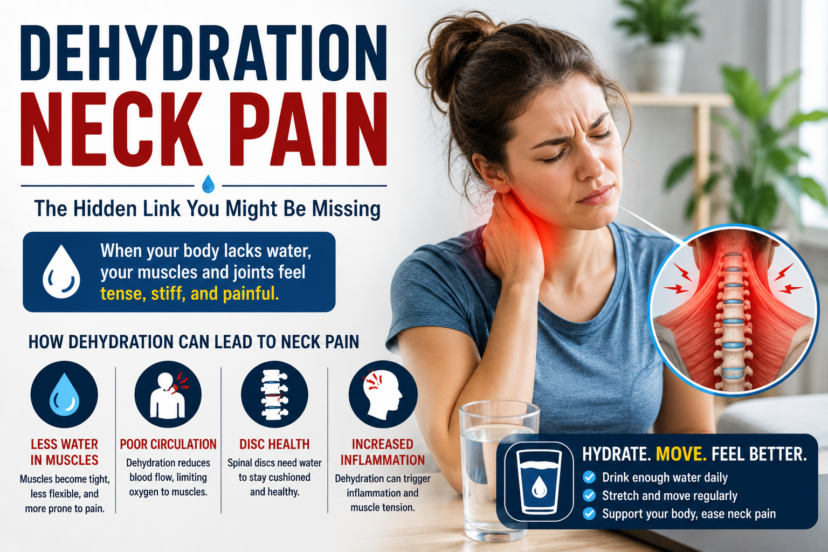
Have you ever noticed your neck feels unusually stiff after a long day in the heat, an intense workout, or simply forgetting to drink enough water? While dehydration isn’t usually the primary cause of neck pain, it can contribute to muscle tightness, headaches, fatigue, and overall discomfort that may make existing neck problems feel worse. The good news is that dehydration neck pain is often preventable. Staying properly hydrated, maintaining good posture, moving regularly, and supporting your overall health can help your muscles and joints function more comfortably. Combined with other healthy habits, adequate hydration may play an important role in long-term neck wellness.
This guide explains the connection between dehydration and neck pain, common symptoms, practical hydration strategies, and science-backed ways to improve neck comfort and mobility.
⭐ Quick Answer: Dehydration Neck Pain
Dehydration neck pain may occur because inadequate fluid intake can contribute to muscle cramps, reduced tissue hydration, fatigue, and headaches that increase neck discomfort. While dehydration is rarely the only cause of neck pain, drinking enough water and maintaining healthy lifestyle habits may help reduce muscle tension and support overall neck health.
Key Takeaways
Most likely cause: Dehydration can contribute to muscle tightness, fatigue, headaches, and cramping that may make existing neck tension or discomfort more noticeable.
Usually serious? Usually not. Mild dehydration neck pain often improves with fluids, rest, gentle movement, and addressing other contributing factors such as posture or muscle strain.
First thing to check: Consider whether you’ve been drinking less than usual, exercising heavily, spending time in hot weather, sweating excessively, or experiencing other signs of dehydration such as thirst or dark urine.
Best solution: Rehydrate gradually, maintain consistent fluid intake, take regular movement breaks, and use gentle neck mobility exercises as tolerated. Persistent, severe, or unexplained neck pain should be evaluated by a healthcare professional.
💧 Can Dehydration Really Cause Neck Pain?
The relationship between hydration and neck pain is more complex than many people realize.
Your muscles, joints, connective tissues, and spinal discs all depend on adequate hydration to function properly. When your body doesn’t have enough fluids, muscles may become more prone to fatigue and cramping, while existing neck discomfort may feel more noticeable.
Although dehydration alone usually doesn’t directly cause chronic neck pain, it can contribute to conditions that make dehydration neck pain more likely, especially if you already have poor posture, muscle tension, or arthritis.
🦴 How Hydration Supports Your Neck
Water plays an important role throughout your musculoskeletal system.
Proper hydration helps support:
- Muscle function
- Joint lubrication
- Blood circulation
- Nutrient delivery
- Connective tissue health
- Temperature regulation
The discs between your spinal vertebrae also contain a significant amount of water, helping them absorb shock and support smooth movement.
As we age, these discs naturally lose water content over time, making hydration even more important as part of an overall healthy lifestyle.
⚠️ Symptoms That May Suggest Dehydration Neck Pain
If dehydration contributes to your discomfort, you may notice symptoms such as:
- Neck stiffness
- Tight muscles
- Muscle cramps
- Headaches
- Fatigue
- Dry mouth
- Dark-colored urine
- Dizziness
- Reduced exercise tolerance
These symptoms often improve after restoring normal hydration, although persistent neck pain may have other contributing causes.
🧠 Why Dehydration Can Increase Muscle Tension
Muscles require proper fluid and electrolyte balance to contract and relax efficiently.
When fluid levels drop, muscles may fatigue more quickly or become tighter than usual.
For some people, dehydration neck pain develops alongside tension headaches because dehydration may also affect blood flow and overall muscle performance.
Stress, prolonged sitting, and poor posture can further increase muscle tightness.
☀️ Common Causes Of Dehydration
Many adults become mildly dehydrated without realizing it.
Common causes include:
- Hot weather
- Sweating during exercise
- Not drinking enough water
- Excessive caffeine intake
- Alcohol consumption
- Vomiting or diarrhea
- Certain medications
Older adults may be at greater risk because the sensation of thirst often decreases with age.
🥤 Simple Hydration Habits That Support Neck Health
Building better hydration habits doesn’t have to be complicated.
Helpful tips include:
- Drink water consistently throughout the day.
- Carry a reusable water bottle.
- Increase fluids during hot weather.
- Drink before, during, and after exercise.
- Eat water-rich fruits and vegetables.
- Monitor urine color as a general hydration guide.
Individual fluid needs vary based on age, activity level, climate, and medical conditions.
💻 Improve Posture Along With Hydration
Hydration alone won’t solve dehydration neck pain if poor posture continues to overload your muscles.
Healthy workstation habits include:
- Keep your monitor at eye level.
- Relax your shoulders.
- Support your lower back.
- Keep your elbows near 90 degrees.
- Avoid looking down at your phone for long periods.
- Stand and move every 30–60 minutes.
Combining hydration with good ergonomics often provides better results than either strategy alone.
🤸 Gentle Stretches For Neck Comfort
Stretching helps reduce muscle tightness and improve flexibility.
Chin Tucks
Pull your chin gently backward while keeping your head level.
Hold for five seconds.
Repeat 10 times.
Upper Trapezius Stretch
Tilt your head toward one shoulder.
Hold for 20 to 30 seconds.
Repeat on both sides.
Shoulder Rolls
Roll your shoulders backward slowly 10 to 15 times.
This helps reduce upper back tension.
Chest Stretch
Stretching the chest muscles improves posture and helps reduce forward head positioning.
Move gently without forcing painful movements.
🚶 Stay Active To Improve Circulation
Regular movement supports healthy muscles and joints.
Helpful activities include:
- Walking
- Swimming
- Yoga
- Tai chi
- Cycling
- Light strength training
Exercise also encourages healthy circulation, which supports muscle recovery and flexibility.
🌿 Natural Home Remedies For Neck Pain
If your symptoms are mild, these conservative treatments may help.
Heat Therapy
Warm compresses may relax tight muscles and improve circulation.
Gentle Massage
Massage may temporarily reduce muscle tension.
Quality Sleep
Good sleep allows muscles to recover after daily activity.
Stress Management
Meditation, deep breathing, and mindfulness may reduce muscle tension that contributes to neck discomfort.
🏥 Can Physical Therapy Help?
If neck pain continues despite hydration and self-care, physical therapy may be appropriate.
A physical therapist can evaluate:
- Posture
- Flexibility
- Muscle strength
- Joint mobility
- Ergonomic habits
Treatment often includes:
- Stretching exercises
- Strengthening exercises
- Manual therapy
- Posture education
- Home exercise programs
Research supports exercise-based rehabilitation as an effective long-term strategy for many forms of mechanical neck pain.
🥗 Nutrition Supports Healthy Muscles
Hydration works best alongside a balanced diet.
Focus on:
- Fruits
- Vegetables
- Lean protein
- Whole grains
- Healthy fats
- Electrolyte-rich foods when appropriate
Some adults discuss magnesium, potassium, vitamin D, or omega-3 fatty acid supplements with their healthcare provider to support overall muscle and joint health, although supplements should complement—not replace—a healthy diet.
👨⚕️ When To See A Doctor For Neck Pain
While dehydration neck pain often improves after rehydration and lifestyle changes, seek medical care if you experience:
- Severe or worsening pain
- Symptoms lasting more than several weeks
- Numbness or tingling
- Arm weakness
- Fever
- Neck pain after an injury
- Difficulty walking
- Severe headaches with neurological symptoms
- Loss of bladder or bowel control
These symptoms may indicate a condition unrelated to hydration that requires prompt evaluation.
❓ FAQs: Dehydration Neck Pain
Can dehydration cause neck pain?
Dehydration may contribute to muscle tightness, headaches, and fatigue that can worsen existing neck discomfort, although it is rarely the sole cause of chronic neck pain.
Can drinking water help neck pain?
If dehydration is contributing to muscle tightness or headaches, improving hydration may help reduce symptoms as part of an overall treatment plan.
How much water should I drink?
Fluid needs vary based on your age, activity level, climate, and overall health. Many adults benefit from drinking water consistently throughout the day rather than waiting until they feel thirsty.
Why does my neck hurt after exercising in hot weather?
Sweating without replacing fluids may contribute to dehydration, muscle fatigue, and increased muscle tightness.
Can dehydration cause headaches and neck stiffness together?
Yes. Mild dehydration can sometimes contribute to both headaches and muscle tension, making neck stiffness more noticeable.
What is the best way to stay hydrated?
Drink water regularly, eat water-rich foods, increase fluids during exercise and hot weather, and replace fluids lost through sweating.
When should I worry about neck pain?
Seek medical evaluation if neck pain is severe, persistent, follows an injury, or occurs with fever, numbness, weakness, or difficulty walking.
🌟 Final Thoughts On Dehydration Neck Pain
While dehydration isn’t usually the primary cause of neck pain, it can contribute to muscle tightness, fatigue, and headaches that make existing discomfort feel worse. The good news is that dehydration neck pain is often manageable with simple, healthy habits. Drinking enough water, maintaining good posture, staying physically active, and getting quality sleep all work together to support healthier muscles and better neck function.
Remember that lasting improvement comes from consistency rather than quick fixes. By combining proper hydration with regular stretching, ergonomic adjustments, stress management, and strength-building exercises, you can help protect your neck, improve mobility, and enjoy a healthier, more active lifestyle for years to come.
Medical Disclaimer
This article is for educational purposes only and should not be considered medical advice. It is not intended to diagnose, treat, cure, or prevent any medical condition. Always consult a qualified healthcare professional if you have persistent, severe, or worsening neck pain, neurological symptoms, fever, pain following an injury, or concerns about dehydration or other medical conditions. Never delay seeking professional medical advice because of information you have read in this article.
 Explore more:




Comments are closed.