Neck Pain And Headaches: The Hidden Connection Explained
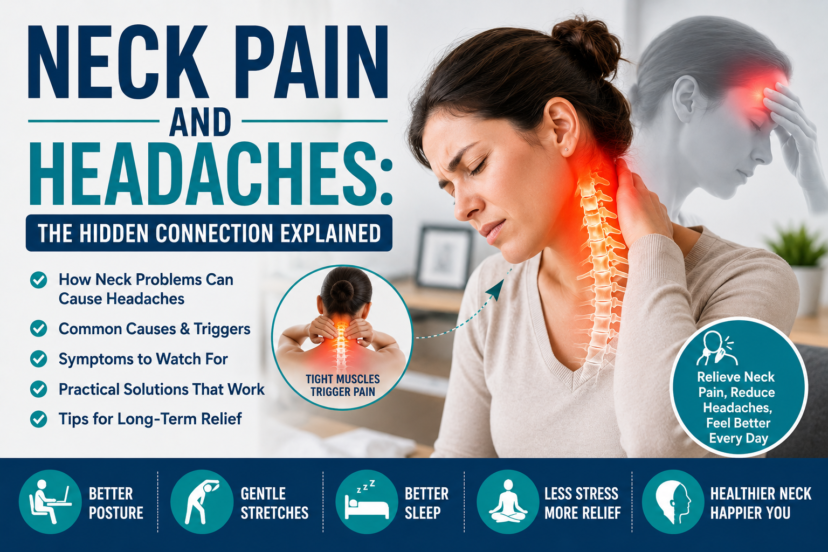
Many adults assume headaches start in the head. However, in many cases, the true source may actually begin in the neck. If you’ve ever noticed a stiff neck before a headache develops, you’re not imagining things. Neck pain and headaches often occur together, creating a frustrating cycle that can affect work, sleep, exercise, and overall quality of life.
The good news is that understanding the connection between your neck and head can help you take practical steps toward relief. Small improvements in posture, movement habits, sleep position, and muscle health may reduce discomfort and help you stay active, mobile, and independent as you age.
Whether you’re dealing with occasional tension headaches or recurring neck discomfort, learning what may be contributing to your symptoms is the first step toward feeling better.
💡 Quick Answer: Neck Pain And Headaches
Neck pain and headaches are often connected because muscles, joints, nerves, and tissues in the neck can refer pain into the head. Poor posture, muscle tension, stress, arthritis, sleeping position, and prolonged screen use are among the most common causes. Improving neck mobility, posture, ergonomics, and daily movement habits may help reduce both neck discomfort and headache frequency.
Key Takeaways
Most likely cause: Muscle tension, poor posture, or joint irritation in the neck that refers pain into the head, often triggered by prolonged screen use, stress, or poor sleeping position.
Usually serious? No. Most cases are related to tension, posture, or age-related changes and can often improve with healthy lifestyle habits. However, sudden, severe, or persistent headaches—especially when accompanied by neurological symptoms—should be evaluated by a healthcare professional.
First thing to check: Assess your posture, workstation ergonomics, pillow support, and whether your neck feels stiff or sore before your headache begins.
Best solution: Improve posture, take regular movement breaks, perform gentle neck stretches and strengthening exercises, optimize your sleep position, and reduce muscle tension through consistent daily habits.
🔍 How Neck Pain And Headaches Are Connected
The neck and head share a complex network of muscles, nerves, and joints.
When structures in the neck become irritated or strained, pain signals may travel upward and be perceived as a headache.
This is particularly common with:
- Muscle tension
- Joint irritation
- Poor posture
- Cervical spine issues
- Stress-related muscle tightness
Many people are surprised to discover that what feels like a headache may actually originate from the neck.
What Is A Cervicogenic Headache?
A cervicogenic headache is a headache that starts from a problem in the neck.
Common symptoms include:
- Pain at the base of the skull
- One-sided headache pain
- Neck stiffness
- Reduced range of motion
- Pain that worsens with neck movement
Unlike migraines, cervicogenic headaches are often directly linked to neck dysfunction.
💻 Poor Posture: One Of The Biggest Causes
Modern lifestyles place enormous stress on the neck.
Many Americans spend hours every day looking at:
- Smartphones
- Tablets
- Computers
- Laptops
- Television screens
This often leads to forward head posture.
How Forward Head Posture Affects The Neck
When your head moves forward from its natural position, neck muscles must work harder to support it.
Over time, this may cause:
- Muscle fatigue
- Neck stiffness
- Shoulder tension
- Headaches
- Reduced mobility
The longer poor posture continues, the greater the strain placed on muscles and joints.
Signs Posture May Be Contributing
You may notice:
- Headaches later in the day
- Tightness across the shoulders
- Pain at the base of the skull
- Stiffness after computer work
- Frequent neck discomfort
Fortunately, posture improvements can often provide significant relief.
😟 Stress And Muscle Tension
Stress is one of the most overlooked contributors to neck pain and headaches.
When people feel stressed, they often unconsciously tighten muscles around the:
- Neck
- Shoulders
- Jaw
- Upper back
This tension can remain for hours or even days.
Common Stress-Related Symptoms
- Tight neck muscles
- Tension headaches
- Jaw clenching
- Shoulder soreness
- Difficulty relaxing
Learning stress-management techniques may reduce both muscle tension and headache frequency.
Helpful options include:
- Deep breathing
- Meditation
- Walking
- Gentle stretching
- Mindfulness exercises
🛌 Sleep Habits And Morning Headaches
Poor sleep posture can contribute significantly to neck pain and headaches.
If your neck remains unsupported throughout the night, muscles and joints may become irritated.
Pillow Problems
An improper pillow may:
- Push the head too far forward
- Allow excessive neck bending
- Increase muscle strain
- Contribute to morning headaches
Many people experience improvement after switching to a supportive cervical pillow.
Sleeping Positions That May Help
Back sleeping and side sleeping often provide better neck support than stomach sleeping.
Helpful sleep habits include:
- Keeping the spine aligned
- Avoiding overly thick pillows
- Replacing worn-out pillows
- Maintaining a consistent sleep schedule
🦴 Age-Related Changes In The Cervical Spine
As adults age, natural changes occur within the cervical spine.
These changes may include:
- Arthritis
- Disc degeneration
- Joint stiffness
- Reduced flexibility
While these changes don’t always cause symptoms, they may contribute to recurring neck pain and headaches.
Cervical Arthritis And Headaches
Arthritis can affect the joints of the neck.
Potential symptoms include:
- Morning stiffness
- Limited neck movement
- Headaches near the base of the skull
- Neck discomfort that worsens throughout the day
Maintaining mobility and staying active often helps support long-term joint health.
🏃 Lack Of Movement And Muscle Weakness
The human body was designed to move.
Long periods of sitting may contribute to:
- Muscle tightness
- Weakness
- Poor posture
- Joint stiffness
All of these factors can increase the likelihood of neck pain and headaches.
Why Movement Matters
Regular movement helps:
- Improve circulation
- Reduce stiffness
- Support flexibility
- Strengthen muscles
- Promote better posture
Even short activity breaks throughout the day can make a noticeable difference.
💪 Exercises That May Help Relieve Neck Pain And Headaches
Movement is often one of the most effective natural strategies.
Chin Tucks
This simple exercise helps improve head and neck alignment.
Benefits include:
- Better posture
- Reduced forward head position
- Improved neck stability
Shoulder Blade Squeezes
This exercise strengthens the upper back muscles.
It may help:
- Improve posture
- Reduce shoulder tension
- Support neck comfort
Gentle Neck Stretches
Examples include:
- Side neck stretches
- Upper trapezius stretches
- Neck rotation exercises
Always move slowly and avoid painful movements.
🌿 Natural Relief Methods
Many people find additional comfort through conservative, non-drug approaches.
Heat Therapy
Heat may help:
- Relax tight muscles
- Improve circulation
- Reduce stiffness
Popular options include:
- Heating pads
- Warm showers
- Heat wraps
Massage
Massage therapy may help reduce muscle tension and improve relaxation.
Many adults report temporary relief from:
- Neck tightness
- Stress-related tension
- Headache symptoms
Hydration
Dehydration can contribute to headaches and muscle discomfort.
Aim for consistent hydration throughout the day.
🖥️ Ergonomic Improvements For Long-Term Relief
Your workstation can either help or hurt your neck.
Ideal Computer Setup
Try to ensure:
- The monitor is at eye level
- Shoulders remain relaxed
- Feet rest flat on the floor
- The keyboard is comfortably positioned
Smartphone Habits
Reduce “text neck” by:
- Holding devices higher
- Taking regular breaks
- Limiting prolonged downward viewing
- Stretching frequently
Small ergonomic changes often produce meaningful long-term results.
🩺 Physical Therapy For Neck Pain And Headaches
Physical therapy may be helpful for recurring symptoms.
A physical therapist can evaluate:
- Posture
- Muscle imbalances
- Mobility restrictions
- Movement patterns
Treatment may include:
- Stretching programs
- Strengthening exercises
- Manual therapy
- Posture correction
- Ergonomic guidance
Many individuals experience meaningful improvement when underlying causes are addressed.
⚠️ When To See A Doctor
While many cases improve with self-care, some symptoms require professional evaluation.
Seek medical attention if you experience:
- Severe headaches
- Sudden headache onset
- Weakness in the arms
- Numbness or tingling
- Vision changes
- Difficulty speaking
- Balance problems
- Persistent symptoms lasting several weeks
- Headaches following an injury
These symptoms may indicate a more serious condition.
❓ FAQs: Neck Pain And Headaches
Can neck problems really cause headaches?
Yes. Muscles, joints, and nerves in the neck can refer pain into the head, resulting in cervicogenic headaches or tension headaches.
Where do neck-related headaches usually start?
Many people notice pain beginning at the base of the skull before spreading toward the forehead or behind the eyes.
Can poor posture cause both neck pain and headaches?
Yes. Forward head posture and prolonged screen use are common contributors to Neck Pain And Headaches.
How do I know if my headache is coming from my neck?
Neck-related headaches often occur alongside neck stiffness, limited mobility, or pain that worsens with neck movement.
Can sleeping position affect headaches?
Yes. Poor neck alignment during sleep may contribute to muscle tension and morning headaches.
What is the best exercise for neck-related headaches?
Chin tucks, posture exercises, and gentle stretching are commonly recommended for improving neck function and reducing tension.
Should I see a physical therapist for recurring neck pain and headaches?
If symptoms continue despite home care, a physical therapist may help identify and address underlying movement and posture issues.
🌟 Final Thoughts
Neck Pain And Headaches often share the same underlying causes, including poor posture, muscle tension, stress, sleep habits, and age-related changes. The encouraging news is that many of these factors can be improved through consistent daily habits.
Focus on the fundamentals: move regularly, improve your posture, optimize your workstation, manage stress, and support your neck while sleeping. These small changes may not produce overnight results, but they can create meaningful improvements over time.
Remember that long-term comfort and mobility are built through consistency. By taking care of your neck today, you may reduce headaches, move more comfortably, stay active longer, and enjoy a healthier, more confident future.
Medical Disclaimer: This article is for educational and informational purposes only and is not intended to diagnose, treat, cure, or prevent any disease or medical condition. Always consult a qualified healthcare professional regarding persistent pain, recurring headaches, or before beginning any new exercise or treatment program.
 Explore more: