
Neck Pain And Dizziness: Is There A Connection? Causes, Relief, And When To Get Help
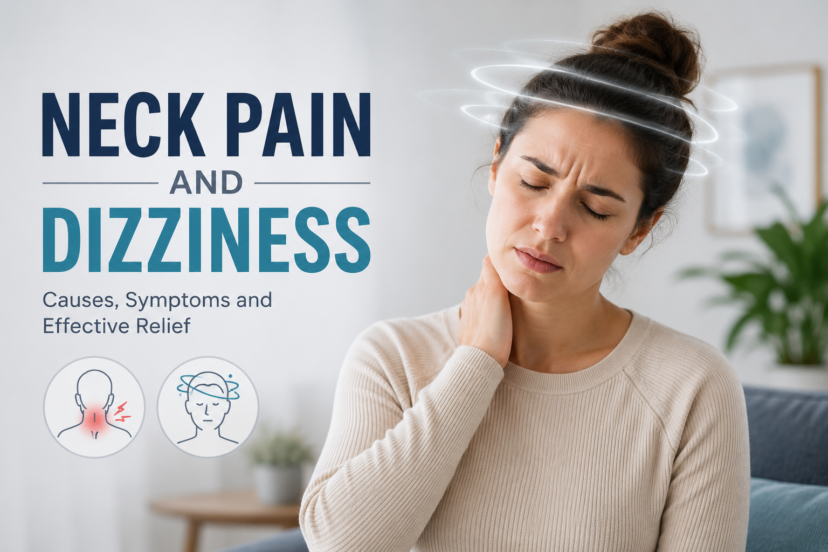
Have you ever stood up, turned your head, or looked over your shoulder and suddenly felt both neck discomfort and dizziness? If so, you’re not alone. Neck pain and dizziness are symptoms that many adults experience together, and while the combination can be unsettling, it’s often linked to problems involving muscle tension, posture, or the way the neck communicates with the brain.
The neck plays an important role in balance and body awareness. When muscles become tight, joints become stiff, or posture places extra stress on the cervical spine, these signals may be disrupted, causing sensations of dizziness in some people. Fortunately, many everyday causes respond well to simple lifestyle changes such as improving posture, increasing movement, strengthening supporting muscles, and creating healthier daily habits.
In this guide, you’ll learn why neck pain and dizziness sometimes occur together, what may be causing your symptoms, practical ways to find relief, and when it’s important to seek medical attention.
🧠 Quick Answer: Neck Pain And Dizziness
Neck pain and dizziness can sometimes occur together because tight muscles, poor posture, cervical joint problems, or certain neck conditions may affect the body’s balance signals. While many cases improve with posture correction, stretching, strengthening exercises, and physical therapy, dizziness can also have causes unrelated to the neck. Seek prompt medical evaluation if dizziness is severe, sudden, persistent, or occurs with weakness, vision changes, chest pain, or difficulty speaking.
Key Takeaways
Most likely cause: Muscle tension, poor posture, or cervical joint stiffness affecting normal movement and balance.
Usually serious? Often no, but dizziness should never be ignored if it’s severe, sudden, or accompanied by neurological symptoms.
First thing to check: Notice whether symptoms worsen after prolonged sitting, poor posture, or certain neck movements.
Best solution: Improve posture, stay active, stretch regularly, strengthen neck and upper back muscles, and seek medical advice if symptoms persist or worsen.
🔍 How Can Neck Problems Cause Dizziness?
Your neck contains muscles, joints, ligaments, and specialized sensors that constantly send information to your brain about your head’s position.
Your brain combines this information with signals from:
- Your inner ears
- Your eyes
- Your muscles and joints
Together, these systems help maintain balance.
If the muscles or joints in your neck become stiff, inflamed, or irritated, these signals may not be processed as efficiently, potentially contributing to feelings of dizziness or unsteadiness in some individuals.
This is sometimes referred to as cervicogenic dizziness, although diagnosing it requires evaluation by a healthcare professional because many other conditions can also cause dizziness.
💻 Poor Posture Can Trigger Neck Pain And Dizziness
One of the most common contributors to neck pain and dizziness is poor posture.
Hours spent looking at computers, smartphones, or paperwork often lead to forward head posture.
This places additional stress on:
- Neck muscles
- Cervical joints
- Upper back muscles
- Shoulder muscles
Over time, muscle tension and reduced neck mobility may contribute to discomfort and feelings of imbalance.
Improving posture is often one of the most effective long-term strategies.
💪 Tight Neck Muscles
Tight muscles don’t only cause soreness.
They can also reduce neck mobility and increase tension around nearby joints.
Common causes include:
- Stress
- Long workdays
- Poor ergonomics
- Sleeping awkwardly
- Repetitive movements
Gentle stretching and regular movement often help reduce muscle tightness.
🪑 Sitting Too Long
Remaining seated for hours reduces circulation and encourages muscles to remain contracted.
This frequently leads to:
- Neck stiffness
- Shoulder tightness
- Reduced flexibility
- Increased fatigue
Standing up every 30 to 60 minutes helps reduce muscle strain and improve circulation.
🦴 Age-Related Changes
As people age, normal wear and tear affects the discs and joints of the cervical spine.
These changes don’t always cause symptoms, but in some individuals they may contribute to:
- Neck stiffness
- Reduced range of motion
- Muscle guarding
- Occasional dizziness associated with neck movement
Staying physically active helps maintain joint mobility and muscle strength.
🚗 Previous Neck Injuries
A previous whiplash injury or neck strain may increase the likelihood of persistent neck stiffness.
Some people report dizziness during recovery because normal neck movement and muscle coordination have been disrupted.
Physical therapy often plays an important role in restoring strength and mobility.
😟 Stress And Muscle Tension
Stress commonly causes people to tighten their shoulders without realizing it.
This constant muscle tension may contribute to:
- Neck pain
- Tension headaches
- Reduced mobility
- Feelings of lightheadedness in some individuals
Stress management supports both physical and mental well-being.
🤸 How To Relieve Neck Pain And Dizziness
Many cases improve with conservative, lifestyle-based approaches.
Improve Your Posture
Focus on:
- Keeping ears aligned over shoulders
- Sitting upright
- Looking straight ahead
- Relaxing your shoulders
- Supporting your lower back
Small posture improvements performed consistently often provide meaningful relief.
Move More Throughout The Day
Avoid remaining in one position for hours.
Helpful movement includes:
- Walking
- Gentle stretching
- Standing breaks
- Shoulder rolls
- Light mobility exercises
Movement helps reduce stiffness and muscle fatigue.
Strengthen Supporting Muscles
Strong muscles improve spinal support.
Focus on strengthening:
- Upper back
- Core
- Shoulder muscles
- Deep neck flexors
A physical therapist can design a program appropriate for your condition.
Stretch Regularly
Gentle stretching may improve flexibility.
Helpful exercises include:
- Chin tucks
- Side neck stretches
- Neck rotations
- Chest stretches
- Upper trapezius stretches
Move slowly and stop if symptoms worsen.
Optimize Your Workstation
A better workstation reduces unnecessary neck strain.
Consider:
- Monitor at eye level
- Adjustable chair
- Keyboard positioned close
- Headset for phone calls
- Proper lumbar support
Ergonomics play a major role in preventing recurring symptoms.
Prioritize Sleep
Healthy sleep allows muscles to recover.
Support your neck by:
- Using a supportive pillow
- Sleeping on your back or side
- Replacing worn pillows
- Maintaining consistent sleep habits
🌿 Lifestyle Habits That Support Neck Health
Long-term improvement usually comes from daily habits.
Aim to:
- Exercise regularly
- Stay hydrated
- Manage stress
- Maintain a healthy weight
- Practice good posture
- Stretch daily
- Limit prolonged screen time
These habits benefit both neck comfort and overall well-being.
🚫 Common Mistakes That Can Make Symptoms Worse
Avoid these habits:
- Ignoring poor posture
- Sitting all day without breaks
- Looking down at your phone constantly
- Sleeping with poor neck support
- Performing aggressive neck stretches
- Avoiding all movement because of mild pain
Gentle, consistent movement is usually more beneficial than complete inactivity.
👨⚕️ When To See A Doctor
Although many cases improve with conservative care, neck pain and dizziness should be evaluated promptly if you experience:
- Sudden or severe dizziness
- Difficulty speaking
- Weakness in an arm or leg
- Loss of coordination
- Double vision or vision loss
- Chest pain
- Severe headache
- Fainting
- Persistent vomiting
- Neck pain after significant trauma
- Numbness or tingling that continues
These symptoms may indicate a medical emergency or another condition requiring immediate evaluation.
Also schedule an appointment if your symptoms continue for several weeks despite improving your posture, activity level, and sleep habits.
❓ FAQs: Neck Pain And Dizziness
Can neck pain really cause dizziness?
Yes. Problems affecting the muscles or joints of the neck may contribute to dizziness in some people, although other causes must also be ruled out.
What is cervicogenic dizziness?
Cervicogenic dizziness is dizziness thought to be related to neck dysfunction. It is a diagnosis made after other possible causes have been evaluated.
Can poor posture cause neck pain and dizziness?
Yes. Long periods of poor posture may increase muscle tension and reduce neck mobility, which may contribute to symptoms in some individuals.
Will physical therapy help?
For many people, physical therapy can improve posture, strength, flexibility, and movement patterns that contribute to neck-related discomfort.
Should I exercise if I feel dizzy?
Gentle activity may be appropriate for some causes, but stop exercising and seek medical advice if dizziness is severe, worsening, or accompanied by concerning symptoms.
Can stress contribute to these symptoms?
Yes. Stress often increases muscle tension in the neck and shoulders, which may worsen discomfort and sometimes contribute to feelings of lightheadedness.
Is neck pain and dizziness always serious?
No. Many cases of neck pain are related to muscle tension or posture, but dizziness should always be properly evaluated if it is persistent, severe, or accompanied by neurological symptoms.
📌 Final Thoughts
Experiencing neck pain and dizziness together can be concerning, but in many cases the underlying causes are manageable with healthy lifestyle habits and appropriate care. Improving posture, staying physically active, strengthening supporting muscles, stretching regularly, and optimizing your workspace can often reduce muscle tension and improve neck function.
The key is to pay attention to your symptoms. While many people improve through conservative approaches, dizziness should never be ignored if it’s severe, sudden, or accompanied by other warning signs. By combining consistent healthy habits with timely medical evaluation when needed, you can improve neck comfort, move with greater confidence, and support long-term health and mobility.
Medical Disclaimer
This article is for educational purposes only and should not be considered medical advice. It is not intended to diagnose, treat, cure, or prevent any medical condition. Always consult your physician or another qualified healthcare professional regarding persistent neck pain, dizziness, or other concerning symptoms. Seek immediate emergency medical care if you experience sudden severe dizziness, weakness, difficulty speaking, chest pain, vision changes, fainting, or symptoms following a significant injury.
 Explore more:

Comments are closed.